Equipment
This page we discuss about equipment used and also how to choose equipment and the challenges we faced. To began with and discussion made here are impartial as all equipment are purchased and not sponsored. This, any detail mention here are personally to the user (myself). It may not appear as so to everyone as this is personal and reflect me and may or may not reflect other user.
HOW IT ALL STARTED
I started off learning about camera using a point and shoot. And honestly at that time of my purchased Nikon 90 is the only camera providing highest magnification and best in the line. This is not the case for today where Nikon P1000 have been out with way higher magnification and batter image quality. However many of the shot taken on that time were now more then 10 years ago. :)
Below is a link to the Nikon Camera i started off with.
http://www.nikon.com.my/en_MY/product/discontinued/digital-compact-cameras/performance/coolpix-p90
Some images of the nikon P90
Images 1 - Curlew Sandpiper
Images 2 - Red Throated Pipit
Images 3 - Pink Necked Green Pigeon
Images 4 - Little Grebe
Images 5 - Black Thighed Falconet
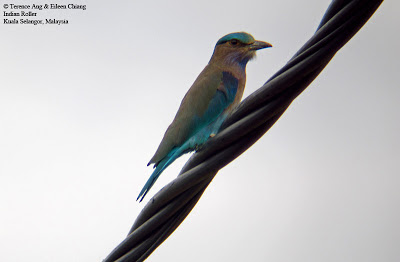
Images 6 - Indian Roller
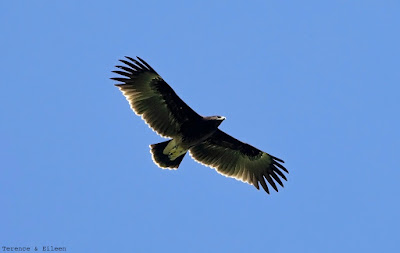
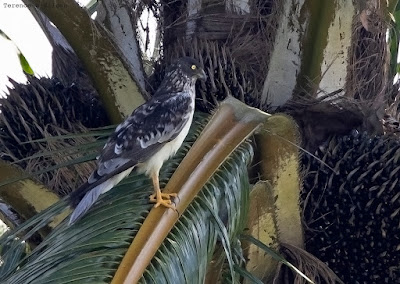
Images 7 - Wallace's Hawk Eagle
Some images of the nikon P90
Images 1 - Curlew Sandpiper
Images 2 - Red Throated Pipit
Images 3 - Pink Necked Green Pigeon
Images 4 - Little Grebe
Images 5 - Black Thighed Falconet
Images 6 - Indian Roller
Images 7 - Wallace's Hawk Eagle
Nevertheless i later purchase a scope and started off with digiscope. The details here. I must say i have a good time with it. Not to say i have been travelling with this scope to many places. To be very frank in term of viewing there is not much of a difference I can say between the Omicron ED82 vs the Nikon ED82. However when it come to digiscoping the difference can be seen. Some image as in here.
Some of my personal liking can be read in this post Here
The image quality obtain from this set up are good. I therefore currently relying a lot on the Nikon ED82 (I have now sold off my Omicron ED82) and attach with Nikon V1. Versatile have no difference however the zoom eyepiece would have make a good difference.
I have also attach using the DSLR adapter by Nikon (FSA-L1) with Nikon D7000. Images as in below
The only draw back i have is that the images must be manual focus and it not easy with all the adapter and DSLR and shot are taken through F13. It is therefore one need to have good eye sight (not so in me) to get a good shot. However the images magnification on the scope is excellent. There is no saying how close to the object from the camera view i can get but i must amid that it was amazing. Honestly though i do not have and reason to stop using it completely i have reduce the usage and relying on the adapter created for the Nikon V1. This is as i can still rely on the camera auto focus to see if it sharp compare to 100% manual focus.
In regards to the cable release. My only advice is that if you can go on digital cable release or digital shutter please do so as it avoid all the vibration during the press of the shutter.
MY DSLR AND BODY
CAMERA BODY
My first DSLR camera body was Canon EOS 350D. Well honestly not mine it was my wife at that time. Later in the time of my birding activity i have added a Canon 7D and a Canon 5D Mark II both of which i uses most often. To be frank since i purchased all the i get to test on the same lens. However to be honest since we are dealing with wildlife i cannot ask the bird to fly the same direction and stop the sun movement till i get the perfect shot. Having say so you will see that it was great to have very good shot which i have yet to redo some of this shot using the 350D. Here is a shot taken through the Canon 350D and Sigma 50-500 OS. I must say the shot was not bad for such and aging camera body. A few problem i realise here
1. shooting with raw is a gamble as the cemera sometimes buffer too long or data lost.
2. The camera is light compare to 7D and therefore sometime make you felt that you going to drop the camera.
Otherwise this was an amazing lens. I used it today for more as a point and shoot.
I love the 7D which provide great ability in wildlife photography and will recommend this series to all beginner. Surely for now will recommend the Canon 7D Mark II. I do not need to do a huge review on this as the camera is old and tons of review have been there.
The Canon 5D Mark II on the other hand need some practice. To be honest i was not taking and sharp photo when i first have the camera. It was later i realise the focusing behave very different from the 7D. One should be more careful when attach to the 400F4 lens as it is sometimes even harder to focus. However once you learn the trick you find it is not difficult to take a decent shot. Having to say this handhled is also possible in low light. Below photo is taken in low light condition.
Image 5D Mark II
In all 3 body of camera have been used and i have no regret on any single one. For more photo other then the one mention in this blog, see flickr image on the link below.
Flickr Image
LENSES
At this point I'm writting, I currently using
1. Sigma 50-500mm F/4.5-6.3 APO DG OS HSM
2. Canon EF 400 f4 DO IS USM
Both lens are currently used interchangeable depending on the location I'm going, targeted species, and condition of the area.
Illustration
If im going to look for nocturnal birds of prey then i may leave with my 400F4 and 5DMII. It allow lower stop and also higher ISO control giving my some advantage.
If im going for wader this whole plan change to Sigma 50-500 and 7D which give me a bit of range and i do not need to control my ISO higher.
Additional to the above the zoom lens allow me to have more room for composition and advantage when i need to zoom out where I can't make any more movement physically. So if you are going on a trial where you movement is limited and there is room where bird will come near the zoom lense is always batter. To assist me on low light i sometimes combine the Sigma 50-500 OS and the Canon 5D MII to have the advantage.
Another condition is that you need to track for a long time on foot. Weight maybe something you need to adjust on it. I did some area where tracking is required and therefore lighter equipment will be my choice. So as i mention earlier it depend on places, species target and the condition you have.
If you ask me what is good to use then this is difficult is more of what do you need it for. But for beginner i would say the sigma 50-500 was not bad though now this have been change to Sigma 60-600mm (which i have not tried). In anyway for nikon user i personally tried the 70-40mm and i love it a lot though now i think best replace it with the Nikon 200-500mm.
If im using canon i would go for the Canon 100-400 USM ii. If I'm rich i think i will go for the the 200-400 F4 1.4X converter. I have tried all the above equipment and i think they are decently good for birding though some of the user have told me otherwise. Again this is personal point of view and different people have different preference and what is written here does not reflect that everyone have the same point of view.
WHAT ABOUT MACRO?
In term of macro lens, i have gone into Sigma 70-300mm F/4-5.6 APO DG macro. I honestly love the lens a lot considering i bring it even for normal photography. The only different here is that unlike some other macro which is prime lens, this is not. Is a zoom and the macro part is only from 200-300mm only and not from 70mm and the lens come without OS. To be frank if you are doing macro mean you are near the subject all the time, and in many situation on a tripod. OS is not really needed is some cases. Unless you track a lot like me then a nanopod will be a good use.
some of the macro shot below:
Images 1
Images 2
Images 3
I must admit it is the only macro i use therefore i cant say what will be a better choice. So good luck.
DOES IT MATTER NOT HAVING PRIME & RELYING ON 400 AND ZOOM MAX 500MM? OR EVEN DIGISCOPING.
To me actually it does not. I have come to many point where my counter part using sigma lens are doing batter shot than my Canon 400 F4. There was also in one occasion that shot were taken with people with zoom lens not the people with prime due to the distance to the object. Other have also share experience the focusing of the 800mm made the Canon 400F4 lens having the shot while the people with 800mm are struggling.
Having to say that I also experience that the 800mm have a batter advantage compare to my zoom when i was taking wader in mudflat. However i have overcome this using digicsoping equipment. Nevertheless if you have a combination of equipment there is no saying there is a drawback however using the right combination will do great. See my picture in flickr which have picture off all the equipment i used before which is
Nikon P90 (a decade old)
Digiscoping equipment 1 (Omicron)
Digiscoping equipment 2 (Nikon)]
DSLR 7D, 5DMII and 350D
400 f4 DO USM, Sigma 50-500 DG APO OS.
Flicker link here.
BINOCULAR AND SCOPE
BINOCULAR
I started only with nikon binocular. I must admit at that time it was not the best equipment to have. I soon get a more modern unit which is the action series and later upgraded to a monarch X nikon binocular. The unit was great and i was using it heavily including during research and so on. I used it well and i must say i nailed a lot of lifer with this unit. At the time of me writing this i have already sold of the monarch X series and my old series remain at home back in Taiping. My wife started with a Nikon binocular as well which is a monarch series. She upgraded and not long after i upgraded hers to the Kowa Prominar series 8.5 X 44. You can see the modal here. My point of view the kowa was amazing.The colour contract on the binocular was amazing. Brightness was great even in dark condition. However the only draw back is that it is a little heavier compare to the other modal. I can complaint at the large prism made up for the advantage i got for this binocular.
I myself currently using leica BN 8X42. I love it a lots since the grip suit my hand and also the focusing is good enough for me and my wife to look for bird. Both my and my wife have both downgraded ourself to 8X and mainly the reason is that we can get to the bird faster and it suit out eye. See the method to select binocular below. I have since let go of my 10X binocular. Will i go back to another 10X is a question i may need to wait for a long time before I can decide on it.
SELECTING BINOCULAR.
In binocular selection many have immediately ask me I planning to buy XXX brand and this magnification. Is it good. I usually jokingly tell them all binocular are good but will continue to say that as long it fit your eye. What does this mean?
Every person eye is not the same that why glasses have power as well. In this case our behavior to the technology of each binocular is also not the same. Adding to that the magnification mean the eye and focusing take time to adjust the image to sharp which also mean that if you are slow and your eye is not goof more likely you loose out the bird. I start using 8X while guiding to make sure i get the bird fast enough have the id before my client got it. This was im a little faster.
If you see review there is always pro and con including very expensive brand. However one must try out the grip, the lens used by the company and magnification to actually know the unit is suitable. Not everyone is suitable to use 10X and while saying so not everyone who have the money can use branded one as well. I have one guest previously even complaint of the branded unit and while i was assisting them to check i found nothing wrong and explained this to the guest. They later change unit and find it batter which is actually a cheaper unit. In this case no direct answer,
You need to have the feel and are you comfortable gripping it without shaking a lot and can you adjust the focusing comfortable. This is one of the may question.
Secondly check near object and far object. Here you see how fast you can adjust to sharp point of the binocular through the focusing and does your eye follow well. Look into the colour for near object and far. Good binocular contract are nice which is love most about the kowa against my leica. Having to say that both are equally good unit.
Thirdly look into some darker area and can you focus and see the images with the colour contrast? This depend heavily on the technology used nevertheless based on budget most of the decent binocular are performing well on to some extend.
Make sure when you look at colour contrast the images shall not have a bluish or reddish tinge. They should also avoid having any tinge of flare and also lining around the object.
Once you have decided then it goes to your own budget. :) you can take it this way as well, one pair of binocular can last for 10 years and more before your next upgrade. Therefore you can always think of something equal to your budget but good enough and lasting for the next few year. In other words a little expensive can be placed under consideration.
further information contact: terence.ang01@gmail.com
CAMERA BODY
My first DSLR camera body was Canon EOS 350D. Well honestly not mine it was my wife at that time. Later in the time of my birding activity i have added a Canon 7D and a Canon 5D Mark II both of which i uses most often. To be frank since i purchased all the i get to test on the same lens. However to be honest since we are dealing with wildlife i cannot ask the bird to fly the same direction and stop the sun movement till i get the perfect shot. Having say so you will see that it was great to have very good shot which i have yet to redo some of this shot using the 350D. Here is a shot taken through the Canon 350D and Sigma 50-500 OS. I must say the shot was not bad for such and aging camera body. A few problem i realise here
1. shooting with raw is a gamble as the cemera sometimes buffer too long or data lost.
2. The camera is light compare to 7D and therefore sometime make you felt that you going to drop the camera.
Otherwise this was an amazing lens. I used it today for more as a point and shoot.
I love the 7D which provide great ability in wildlife photography and will recommend this series to all beginner. Surely for now will recommend the Canon 7D Mark II. I do not need to do a huge review on this as the camera is old and tons of review have been there.
The Canon 5D Mark II on the other hand need some practice. To be honest i was not taking and sharp photo when i first have the camera. It was later i realise the focusing behave very different from the 7D. One should be more careful when attach to the 400F4 lens as it is sometimes even harder to focus. However once you learn the trick you find it is not difficult to take a decent shot. Having to say this handhled is also possible in low light. Below photo is taken in low light condition.
Image 5D Mark II
In all 3 body of camera have been used and i have no regret on any single one. For more photo other then the one mention in this blog, see flickr image on the link below.
Flickr Image
LENSES
At this point I'm writting, I currently using
1. Sigma 50-500mm F/4.5-6.3 APO DG OS HSM
2. Canon EF 400 f4 DO IS USM
Both lens are currently used interchangeable depending on the location I'm going, targeted species, and condition of the area.
Illustration
If im going to look for nocturnal birds of prey then i may leave with my 400F4 and 5DMII. It allow lower stop and also higher ISO control giving my some advantage.
If im going for wader this whole plan change to Sigma 50-500 and 7D which give me a bit of range and i do not need to control my ISO higher.
Additional to the above the zoom lens allow me to have more room for composition and advantage when i need to zoom out where I can't make any more movement physically. So if you are going on a trial where you movement is limited and there is room where bird will come near the zoom lense is always batter. To assist me on low light i sometimes combine the Sigma 50-500 OS and the Canon 5D MII to have the advantage.
Another condition is that you need to track for a long time on foot. Weight maybe something you need to adjust on it. I did some area where tracking is required and therefore lighter equipment will be my choice. So as i mention earlier it depend on places, species target and the condition you have.
If you ask me what is good to use then this is difficult is more of what do you need it for. But for beginner i would say the sigma 50-500 was not bad though now this have been change to Sigma 60-600mm (which i have not tried). In anyway for nikon user i personally tried the 70-40mm and i love it a lot though now i think best replace it with the Nikon 200-500mm.
If im using canon i would go for the Canon 100-400 USM ii. If I'm rich i think i will go for the the 200-400 F4 1.4X converter. I have tried all the above equipment and i think they are decently good for birding though some of the user have told me otherwise. Again this is personal point of view and different people have different preference and what is written here does not reflect that everyone have the same point of view.
WHAT ABOUT MACRO?
In term of macro lens, i have gone into Sigma 70-300mm F/4-5.6 APO DG macro. I honestly love the lens a lot considering i bring it even for normal photography. The only different here is that unlike some other macro which is prime lens, this is not. Is a zoom and the macro part is only from 200-300mm only and not from 70mm and the lens come without OS. To be frank if you are doing macro mean you are near the subject all the time, and in many situation on a tripod. OS is not really needed is some cases. Unless you track a lot like me then a nanopod will be a good use.
some of the macro shot below:
Images 1
Images 2
Images 3
I must admit it is the only macro i use therefore i cant say what will be a better choice. So good luck.
DOES IT MATTER NOT HAVING PRIME & RELYING ON 400 AND ZOOM MAX 500MM? OR EVEN DIGISCOPING.
To me actually it does not. I have come to many point where my counter part using sigma lens are doing batter shot than my Canon 400 F4. There was also in one occasion that shot were taken with people with zoom lens not the people with prime due to the distance to the object. Other have also share experience the focusing of the 800mm made the Canon 400F4 lens having the shot while the people with 800mm are struggling.
Having to say that I also experience that the 800mm have a batter advantage compare to my zoom when i was taking wader in mudflat. However i have overcome this using digicsoping equipment. Nevertheless if you have a combination of equipment there is no saying there is a drawback however using the right combination will do great. See my picture in flickr which have picture off all the equipment i used before which is
Nikon P90 (a decade old)
Digiscoping equipment 1 (Omicron)
Digiscoping equipment 2 (Nikon)]
DSLR 7D, 5DMII and 350D
400 f4 DO USM, Sigma 50-500 DG APO OS.
Flicker link here.
BINOCULAR AND SCOPE
BINOCULAR
I started only with nikon binocular. I must admit at that time it was not the best equipment to have. I soon get a more modern unit which is the action series and later upgraded to a monarch X nikon binocular. The unit was great and i was using it heavily including during research and so on. I used it well and i must say i nailed a lot of lifer with this unit. At the time of me writing this i have already sold of the monarch X series and my old series remain at home back in Taiping. My wife started with a Nikon binocular as well which is a monarch series. She upgraded and not long after i upgraded hers to the Kowa Prominar series 8.5 X 44. You can see the modal here. My point of view the kowa was amazing.The colour contract on the binocular was amazing. Brightness was great even in dark condition. However the only draw back is that it is a little heavier compare to the other modal. I can complaint at the large prism made up for the advantage i got for this binocular.
I myself currently using leica BN 8X42. I love it a lots since the grip suit my hand and also the focusing is good enough for me and my wife to look for bird. Both my and my wife have both downgraded ourself to 8X and mainly the reason is that we can get to the bird faster and it suit out eye. See the method to select binocular below. I have since let go of my 10X binocular. Will i go back to another 10X is a question i may need to wait for a long time before I can decide on it.
SELECTING BINOCULAR.
In binocular selection many have immediately ask me I planning to buy XXX brand and this magnification. Is it good. I usually jokingly tell them all binocular are good but will continue to say that as long it fit your eye. What does this mean?
Every person eye is not the same that why glasses have power as well. In this case our behavior to the technology of each binocular is also not the same. Adding to that the magnification mean the eye and focusing take time to adjust the image to sharp which also mean that if you are slow and your eye is not goof more likely you loose out the bird. I start using 8X while guiding to make sure i get the bird fast enough have the id before my client got it. This was im a little faster.
If you see review there is always pro and con including very expensive brand. However one must try out the grip, the lens used by the company and magnification to actually know the unit is suitable. Not everyone is suitable to use 10X and while saying so not everyone who have the money can use branded one as well. I have one guest previously even complaint of the branded unit and while i was assisting them to check i found nothing wrong and explained this to the guest. They later change unit and find it batter which is actually a cheaper unit. In this case no direct answer,
You need to have the feel and are you comfortable gripping it without shaking a lot and can you adjust the focusing comfortable. This is one of the may question.
Secondly check near object and far object. Here you see how fast you can adjust to sharp point of the binocular through the focusing and does your eye follow well. Look into the colour for near object and far. Good binocular contract are nice which is love most about the kowa against my leica. Having to say that both are equally good unit.
Thirdly look into some darker area and can you focus and see the images with the colour contrast? This depend heavily on the technology used nevertheless based on budget most of the decent binocular are performing well on to some extend.
Make sure when you look at colour contrast the images shall not have a bluish or reddish tinge. They should also avoid having any tinge of flare and also lining around the object.
Once you have decided then it goes to your own budget. :) you can take it this way as well, one pair of binocular can last for 10 years and more before your next upgrade. Therefore you can always think of something equal to your budget but good enough and lasting for the next few year. In other words a little expensive can be placed under consideration.
further information contact: terence.ang01@gmail.com






Comments
Post a Comment